Breed Characteristics
French Bulldogs pack an outsized personality into a compact, muscular frame. Their scores below reflect how the breed typically presents within its own peer group as a companion dog — not against working or sporting breeds.
Personality
Few breeds have risen through the ranks of global dog ownership as swiftly or as decisively as the French Bulldog. In cities from London to New York to Tokyo, the Frenchie has become the defining urban companion — and that status is no accident. Their compact size makes them ideal for apartment living, their low exercise requirements suit busy schedules, and their temperament is one of the most naturally attuned to human company of any breed in existence. The French Bulldog does not merely tolerate people — it actively seeks them out, thrives in their presence, and visibly deflates when left without them.
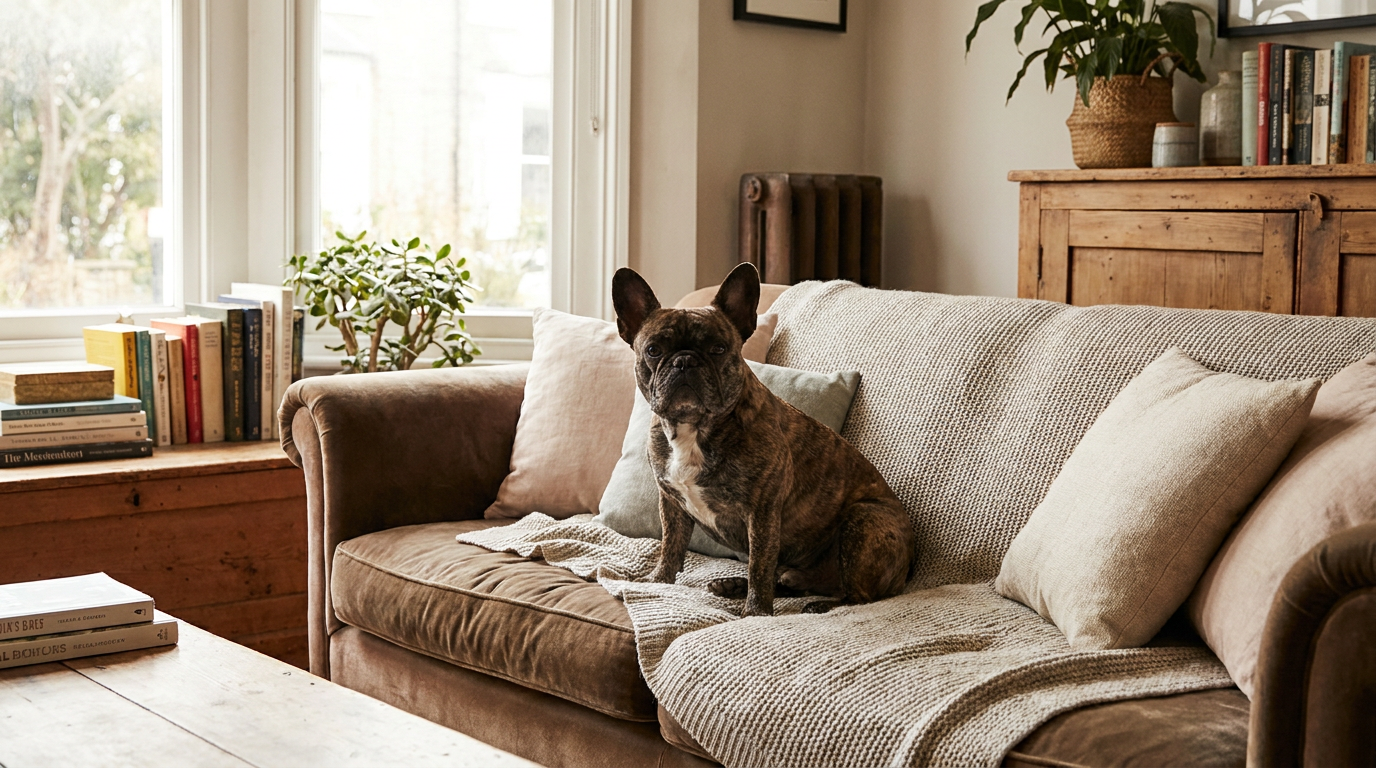
At the core of the French Bulldog personality is an almost theatrical affection. These are dogs that will follow their owner from room to room, position themselves at feet or on laps, and shadow every movement through the house with a quiet, attentive devotion that experienced owners often describe as overwhelming in the best possible way. They have earned the nickname velcro dog for precisely this reason — the French Bulldog is not interested in a relationship from across the room. They want physical contact, warmth, and proximity. Leave them alone for too long and that desire curdles into genuine distress.
What makes the Frenchie so endearing, beyond their obvious affection, is the clownish intelligence that runs alongside it. They are curious, mischievous, and prone to moments of profound silliness — flipping themselves upside down on the sofa, charging across a room for no apparent reason, or sitting bolt upright and staring at a wall with intense concentration. There is a stubbornness here too, a streak of self-determination that can frustrate less experienced owners during training. The French Bulldog is not disobedient — they simply have opinions. They are eager to please when properly motivated, but that motivation must be earned through consistency, patience, and high-value rewards. Get the approach right and you will have a dog that is not only well-behaved but genuinely engaged. For city dwellers and first-time owners who want a deeply connected companion without the high-intensity demands of working breeds, the French Bulldog remains, for very good reason, the gold standard.
History and Origin
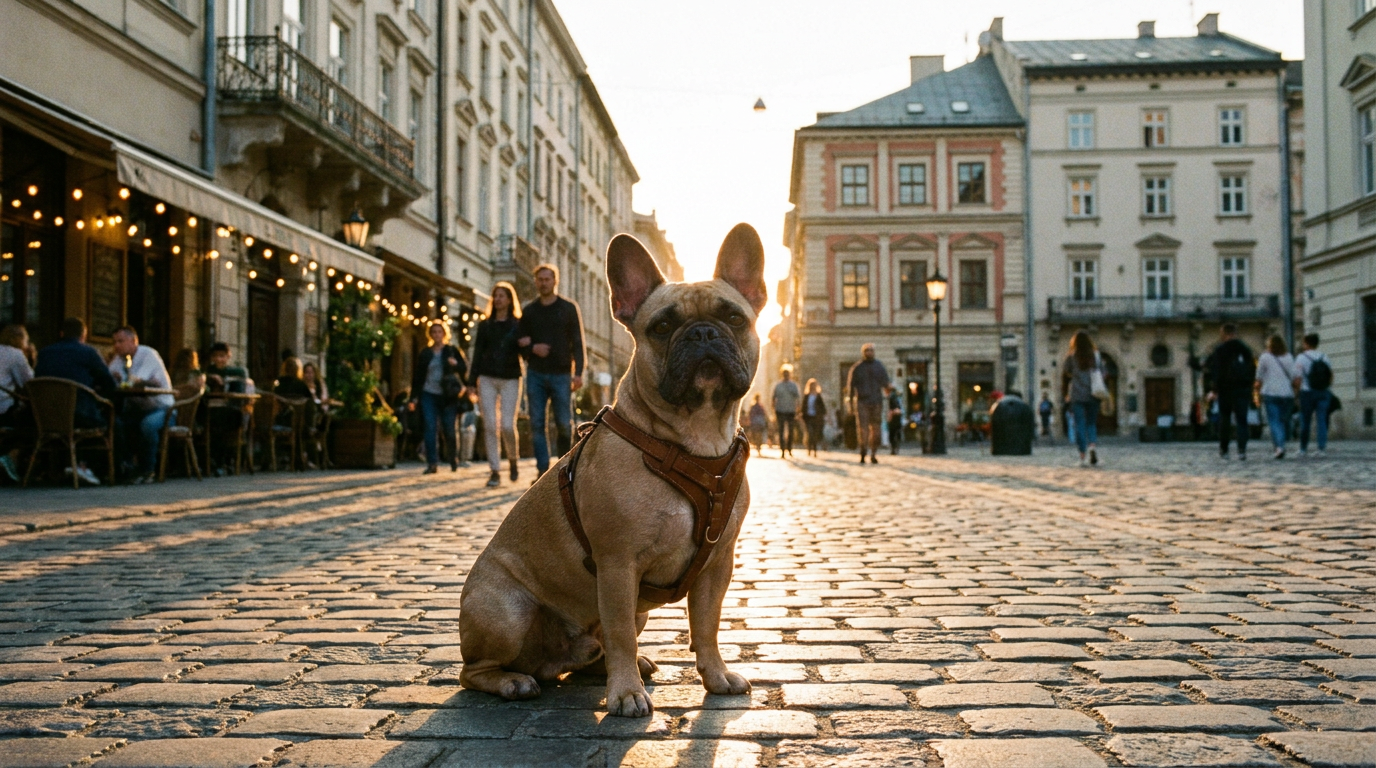
The French Bulldog's story begins not in France but in England, where lace-makers in the Nottingham region developed a taste for miniature Bulldogs as companion animals during the early nineteenth century. These toy Bulldogs were smaller and lighter than the working Bulldog of the time, bred down deliberately for company rather than function. When the lace-making industry collapsed following the Industrial Revolution, many of these workers emigrated to northern France — taking their small Bulldogs with them. The breed quickly caught the eye of Parisian society, and French breeders began crossing the dogs with other small breeds, refining their appearance and temperament over several decades. By the 1880s, the French Bulldog had become a fixture of Parisian café culture and working-class neighbourhoods alike, admired for its compact frame, alert intelligence, and easy manner.
The breed's most distinctive physical feature — the upright bat ears — emerged through this French development phase and became a point of fierce contention between British and American fanciers, who had historically preferred rose-shaped ears. American breeders ultimately championed the bat ear, and it became the defining characteristic of the breed as we know it today. The French Bulldog was officially recognised by The Kennel Club in the United Kingdom and has since risen from a symbol of urban Parisian sophistication to one of the most popular companion breeds in the world, consistently ranking at or near the top of breed registration charts across the UK, USA, and Australia.
Care & Maintenance
Exercise
French Bulldogs need moderate exercise — around 30 to 60 minutes daily in shorter sessions. They are not built for strenuous activity and overheat easily due to their flat face. Early morning or evening walks in warm weather are strongly recommended. Never exercise a Frenchie in the heat of the day.
Grooming
Their short smooth coat requires minimal grooming — a weekly brush with a soft bristle brush is sufficient. However their facial skin folds must be cleaned regularly with a damp cloth to prevent moisture buildup and infection. Ears should be checked weekly and nails trimmed monthly.
Nutrition
Feed a high-quality small breed formula twice daily. French Bulldogs are prone to obesity which places additional strain on their already compromised breathing. Avoid overfeeding and limit treats. Fresh water must always be available as they can overheat and dehydrate quickly.
Health Screening
French Bulldogs are a brachycephalic breed, meaning their flat face causes breathing difficulties. They are also prone to hip dysplasia, spinal issues, skin fold dermatitis and eye conditions. Pet insurance is strongly recommended as vet costs can be significant. Always buy from a breeder who health tests both parents for breathing and spinal conditions.
Mental Stimulation
Despite their relaxed demeanour Frenchies are intelligent and need mental engagement. Short training sessions, puzzle feeders and interactive toys prevent boredom. They learn quickly when motivated but their stubborn streak means patience and consistency are essential.
Cost Snapshot
French Bulldogs are one of the more expensive breeds to purchase and to maintain, primarily due to the health complexities associated with brachycephaly. The estimates below reflect current market averages.
United Kingdom
| Expense | Estimated Cost |
|---|---|
| Purchase from breeder | £2,000 to £4,000 |
| Monthly food | £30 to £60 |
| Pet insurance | £80 to £200 per month |
| Annual vet care | £400 to £800 |
| Professional grooming | Minimal |
| Estimated monthly total | £300 to £600 |
United States
| Expense | Estimated Cost |
|---|---|
| Purchase from breeder | $2,000 to $5,000 |
| Monthly food | $40 to $80 |
| Pet insurance | $100 to $250 per month |
| Annual vet care | $500 to $1,000 |
| Professional grooming | Minimal |
| Estimated monthly total | $400 to $750 |
Use our interactive Dog Cost Calculator to see a tailored breakdown across your dog's full lifetime.