

4 Things Only Chihuahua Owners Truly Understand in 2026
Chihuahuas are the world’s smallest dog breed and, almost certainly, the breed with the largest opinion of themselves. They are bold, fiercely loyal, and entirely convinced that their diminutive size is an administrative error rather than a biological reality. Life with a Chihuahua is never quiet, never dull, and — if you understand what the breed actually needs — deeply rewarding. Real Barks breaks down the four things only Chihuahua owners truly get in 2026.
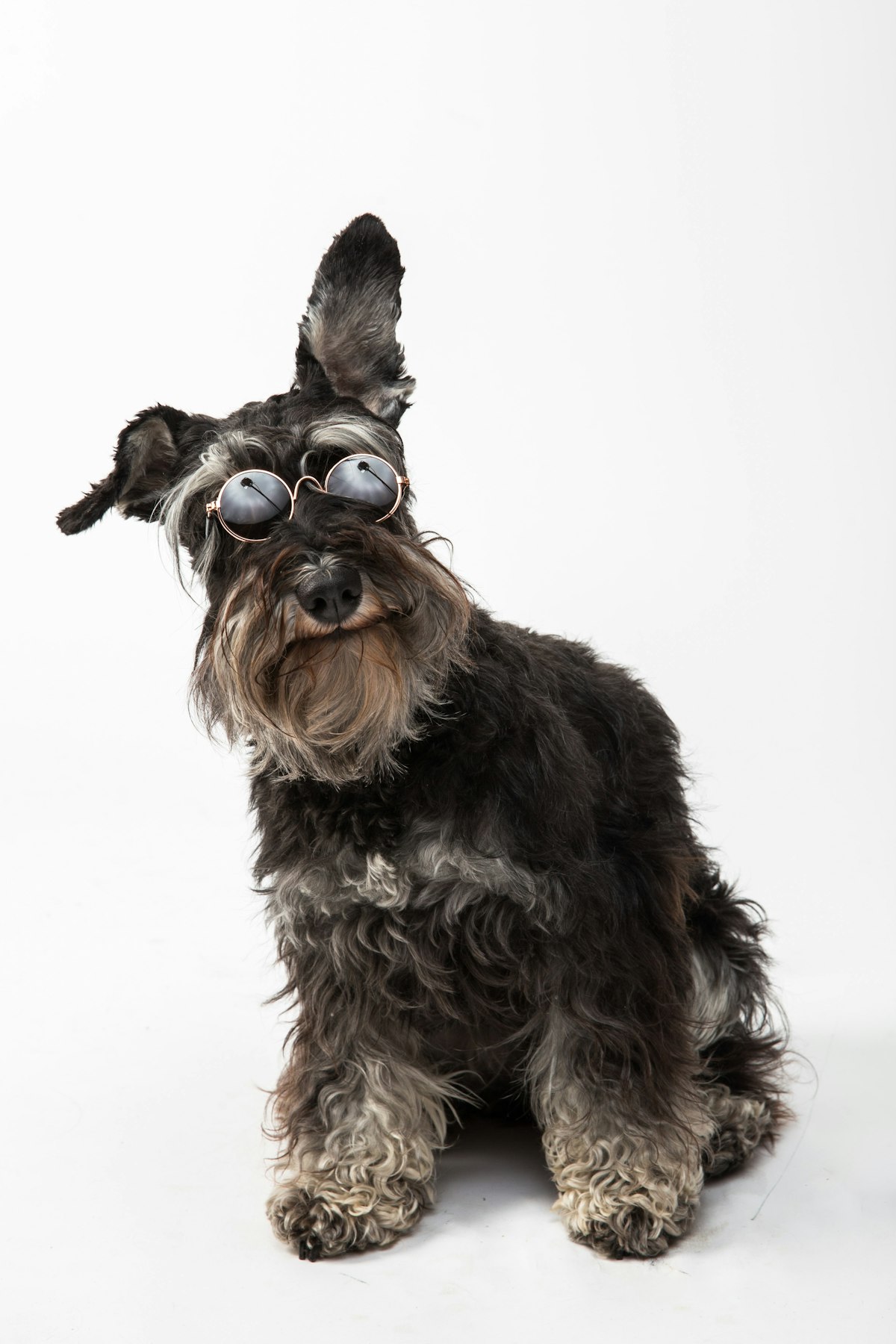
Small in size, enormous in personality — the Chihuahua defies every small-dog stereotype. Photo: Unsplash
- Average weight: 1.5–3 kg
- Coat type: Smooth or long-haired — the long-haired variety needs regular brushing
- Energy level: Moderate — around 30 minutes of exercise daily, but mentally very active
- Lifespan: 14–16 years — one of the longest-lived breeds
- Known for: Enormous confidence for their size, fierce loyalty to their primary person, and a tendency to run the household
1. They feel the cold more acutely than almost any other breed
A Chihuahua’s tiny body loses heat rapidly — their surface area to body mass ratio means they cool down far faster than larger dogs in the same conditions. For most of the UK year, this is a relevant consideration: a Chihuahua without a coat on a cold morning walk is genuinely uncomfortable in a way that can affect their health, not just their enjoyment.
Below about 10°C, a well-fitted coat is essential for a Chihuahua — not optional, not an affectation. In genuinely cold conditions below 5°C, the combination of a coat and limiting outdoor time to short, purposeful walks is the right approach. Our Dog Coats collection includes insulated options for small breeds, and fit is particularly important for Chihuahuas — their narrow chest and small frame mean sizing needs to be checked carefully rather than assumed by weight alone.
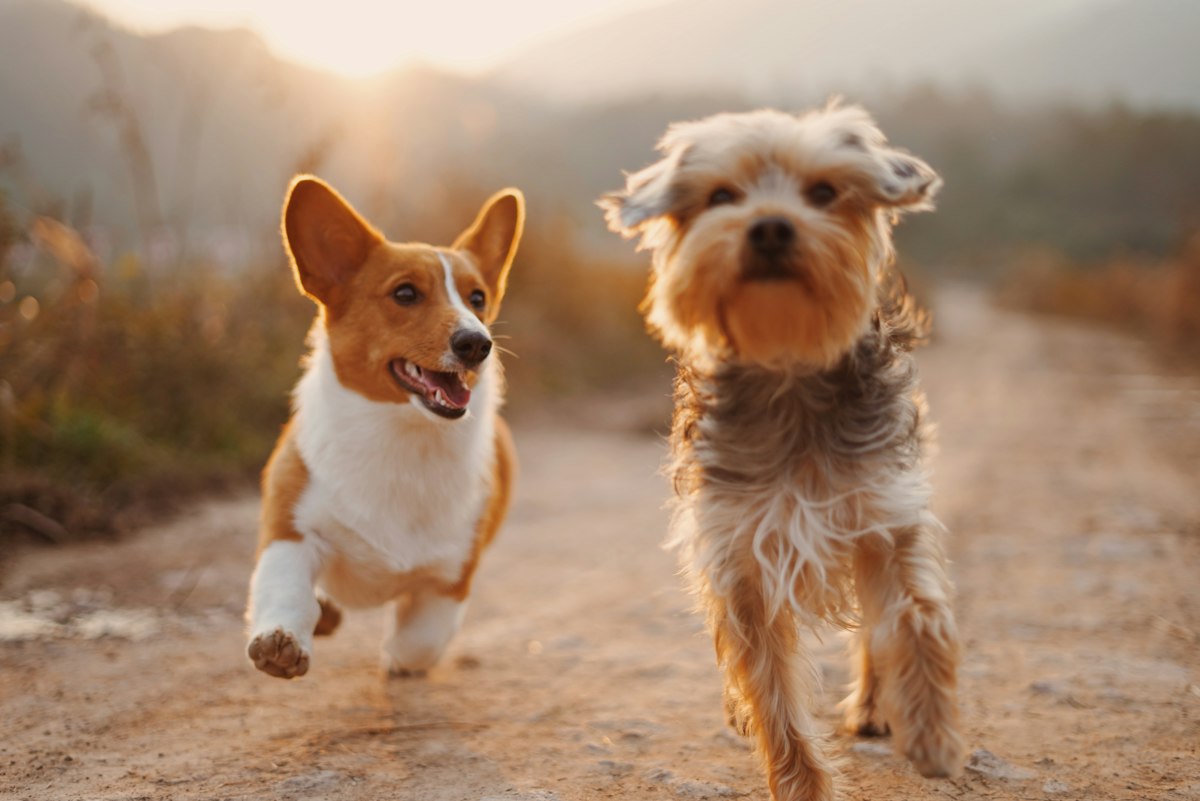
A properly fitted coat is a genuine welfare necessity for Chihuahuas in British winters. Photo: Unsplash
Signs that your Chihuahua is cold include shivering, hunching their back, reluctance to move, and seeking to burrow into anything available. These aren’t drama — they are genuine discomfort signals, and a cold Chihuahua is a Chihuahua at risk.
2. “Small dog syndrome” is caused by owners, not dogs
The Chihuahua reputation for snapping, aggression, and bossiness is real — but it is almost entirely the result of how the breed is typically treated rather than anything inherent to the dogs themselves. Because Chihuahuas are small and their behaviours are physically less threatening than those of larger dogs, owners often permit things from them that they would immediately correct in a Labrador. The Chihuahua then runs the household, becomes anxious about its role as decision-maker, and reactive behaviour follows.
Chihuahuas trained and handled with the same consistency and expectations as any larger breed are typically confident, sociable, and well-mannered. The Kennel Club is explicit that small dogs benefit from exactly the same structured training approach as large ones — and that owners who make exceptions “because they’re small” do their dogs a genuine disservice.
“Chihuahuas are not difficult dogs — they are often simply under-trained dogs. They are intelligent, they want to understand what is expected of them, and they respond extremely well to positive, consistent training. The dogs who struggle behaviourally are almost always those whose owners have allowed size to become an excuse.”
3. Harness fit is genuinely tricky — but non-negotiable
Chihuahuas have delicate tracheas that are vulnerable to collapse — a condition more common in small breeds and exacerbated by collar pressure. Any pulling against a collar risks tracheal damage over time. A harness is not just preferable for Chihuahuas; for their long-term health it is the only appropriate walking restraint.
The challenge is that Chihuahuas are so small that many harnesses — even those labelled as “extra small” — don’t fit correctly. A harness that sits too loosely is an escape risk; one that fits too tightly restricts movement and causes discomfort. Look for harnesses with multiple adjustment points and check the fit frequently, particularly on younger dogs still growing.
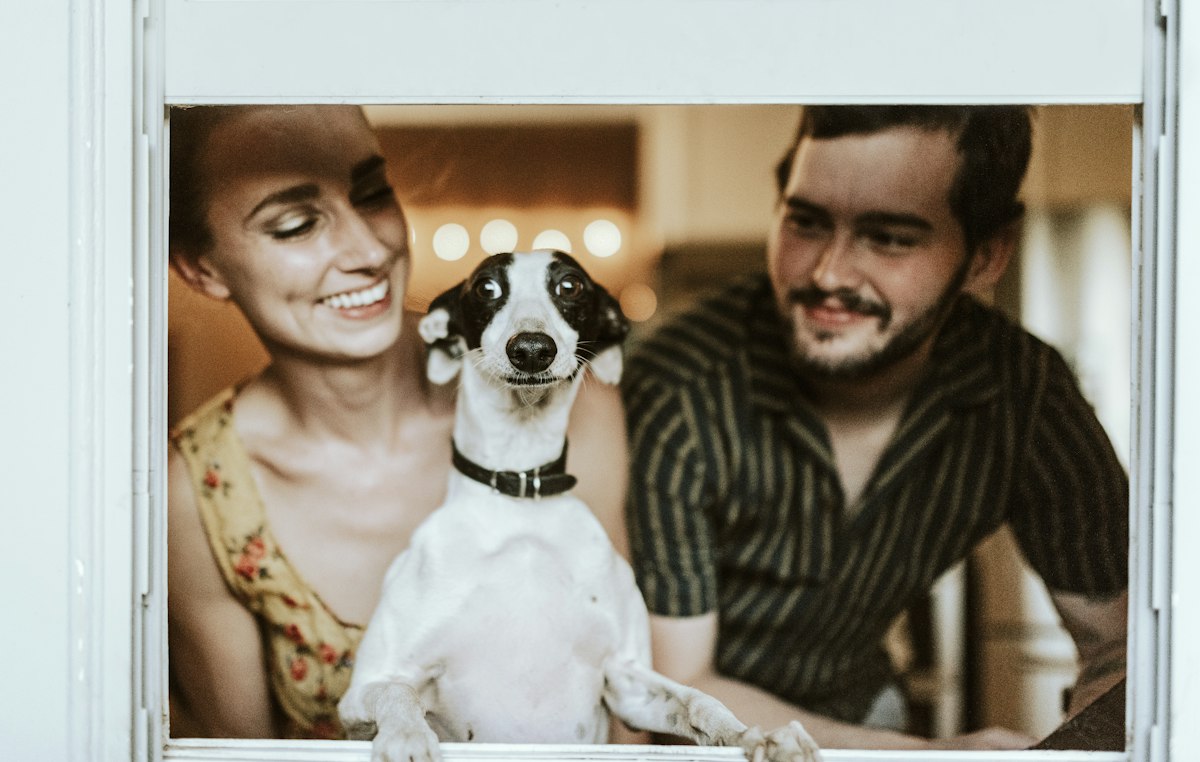
Finding a correctly fitting harness for a Chihuahua takes care — but it’s essential for their safety. Photo: Unsplash
Our Dog Harnesses & Vests collection includes adjustable options designed for smaller breeds. The two-finger rule applies regardless of size: you should be able to slide two fingers comfortably under any strap without the harness being loose enough to slip over the head.
4. They form intense one-person bonds — and need socialisation to manage it
Chihuahuas are famously loyal to their primary person — sometimes to a fault. Without sufficient early socialisation, that loyalty can tip into possessiveness and reactivity towards anyone they perceive as a threat to their person. A Chihuahua who has been socialised well with a wide range of people, dogs, and environments from puppyhood is typically confident and friendly. One who hasn’t can become territorial and difficult.
Early socialisation — exposing your Chihuahua to a variety of people, sounds, surfaces, and situations before 14 weeks old — is the most important investment you can make in their long-term temperament. Our Dog Toys & Interactive Toys collection includes puzzle and enrichment toys that support confident, curious behaviour through positive early experiences.
- Socialise early and broadly — the puppy window closes at around 14 weeks
- Expose to men, children, and people in hats/uniforms specifically — common triggers for under-socialised Chihuahuas
- Never reinforce fearful or reactive behaviour by picking the dog up — this rewards the reaction
- Train with the same consistency you would apply to a larger breed
- Enrol in puppy classes — structured socialisation in a positive environment is invaluable
Frequently asked questions
Do Chihuahuas get along with other dogs?
Well-socialised Chihuahuas can get along well with other dogs, including much larger ones. The key risk is the size difference — a large dog who is simply playing enthusiastically can injure a Chihuahua unintentionally. Supervise interactions with larger dogs carefully, and intervene if play becomes too boisterous. Chihuahuas who haven’t been socialised can be reactive with other dogs, which training and positive exposure can significantly improve.
Are Chihuahuas easy to train?
Chihuahuas are intelligent and capable of learning a wide range of commands and behaviours. They respond best to positive reinforcement with high-value food rewards and very short, focused training sessions — their attention span is limited and they disengage quickly if bored. The main training challenge is consistency: Chihuahuas are expert at exploiting any inconsistency in their owner’s expectations, and they will do so cheerfully and without remorse.
How long do Chihuahuas live?
Chihuahuas are one of the longest-lived dog breeds, with an average lifespan of 14–16 years and many individuals living well into their late teens. This longevity is one of the most important things to consider before getting a Chihuahua — it is a commitment of potentially 15+ years. Their long lifespan also makes early investment in health, training, and socialisation particularly worthwhile.
About the author
Enrico Crispino — Dog lover and founder of Real Barks, a UK dog accessories brand partnering with Battersea Dogs Home and Work for Good. Real Barks is on a mission to change dogs’ lives for the better.
🐾 Not sure which breed is right for you?
Take our free 2-minute quiz and find your perfect dog breed match.
Find Your Breed 🐾