

5 Things Only French Bulldog Owners Truly Understand in 2026
French Bulldogs have taken the UK by storm — and it's not hard to see why. With their bat ears, expressive wrinkled faces, and personalities approximately three times larger than their bodies, Frenchies are endlessly entertaining companions. But owning one comes with a specific set of realities that no amount of Instagram scrolling quite prepares you for. At Real Barks, we've heard from enough French Bulldog owners to know exactly what those are.
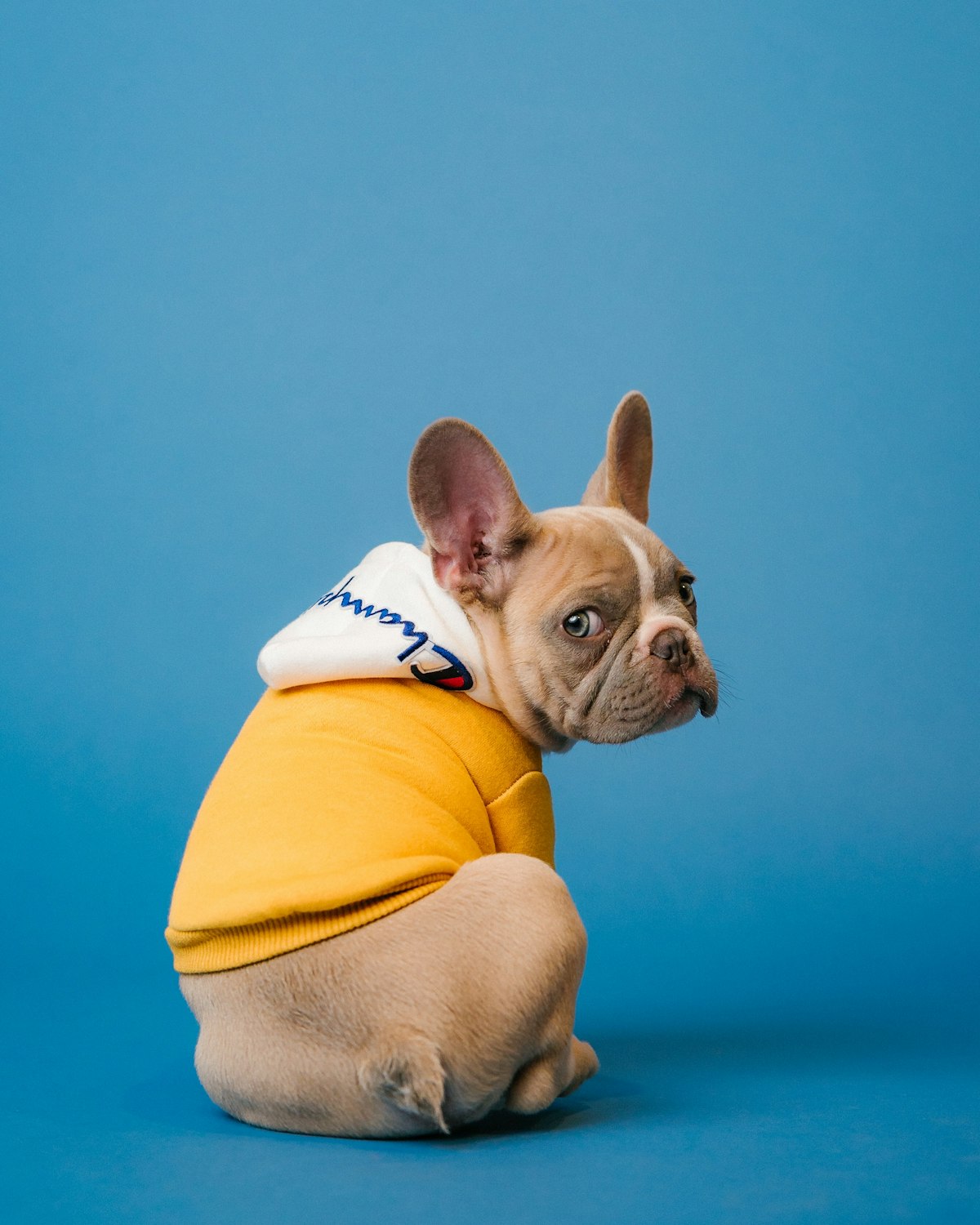
The French Bulldog: compact in size, enormous in personality. Photo: Unsplash
- Average weight: 8–14 kg
- Coat type: Short, smooth, low-maintenance — but a seasonal shedder
- Energy level: Moderate — 30–60 minutes of exercise daily, split into shorter sessions
- Lifespan: 10–12 years
- Known for: Brachycephalic (flat-faced) anatomy affecting breathing, temperature regulation, and equipment choices
1. The breathing thing is real — and it shapes everything
French Bulldogs are a brachycephalic breed, meaning their flat faces come with shortened airways. This isn't just a cosmetic quirk — it genuinely affects how they exercise, how they handle heat, and what equipment is safe for them. On warm days, a Frenchie can overheat alarmingly quickly. In cold weather, they struggle to regulate body temperature in the other direction.
Practically, this means shorter and more frequent walks rather than one long session, avoiding exercise in temperatures above 20°C, and always having fresh water available. The RSPCA has clear guidance on managing brachycephalic breeds safely — essential reading before the warmer months of 2026 arrive.
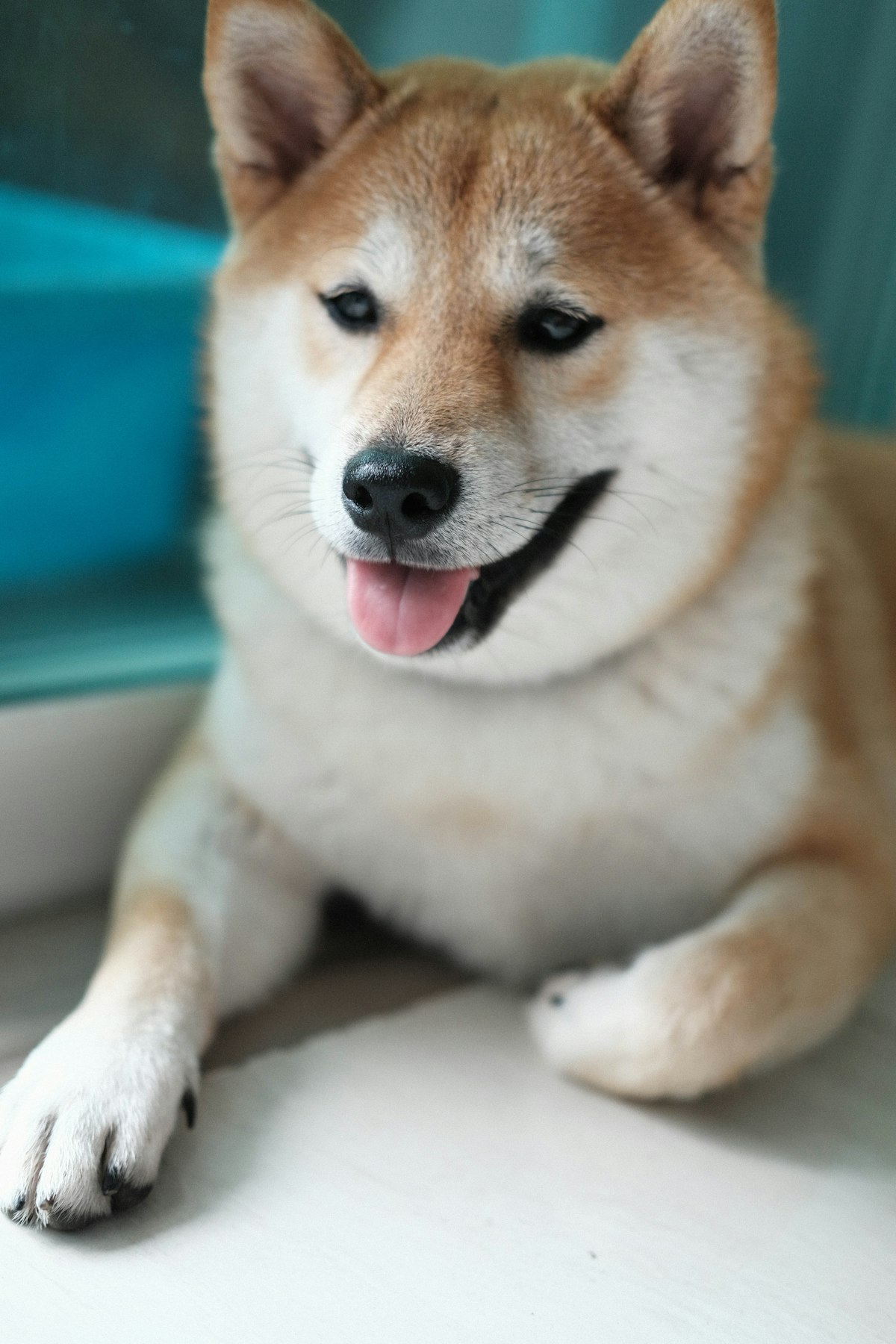
Rest is as important as exercise for brachycephalic breeds. Photo: Unsplash
It also means that excitement — a visitor arriving, spotting another dog, even just you picking up the lead — can send their breathing into overdrive. Keeping arrivals and departures calm isn't just good manners training; it's genuinely important for a Frenchie's health.
2. They cannot wear a collar as their primary restraint
This is the single most important equipment decision you'll make for a French Bulldog. Because of their short necks and compromised airways, any pressure on the throat is potentially dangerous. A collar pulling against a Frenchie's neck — even momentarily — can restrict breathing that is already challenged.
Every French Bulldog needs a harness. But not just any harness — Frenchies need one specifically designed to avoid pressure on the chest and throat. Look for a Y-front or H-harness design that sits behind the front legs rather than across the chest. Our Dog Harnesses & Vests collection has options that work well for the Frenchie's distinctive body shape — broad chest, short neck, compact frame.
"For brachycephalic breeds like French Bulldogs, a well-fitted harness isn't optional — it's a welfare necessity. Collar pressure in dogs with compromised airways can escalate a normal walk into a respiratory emergency."
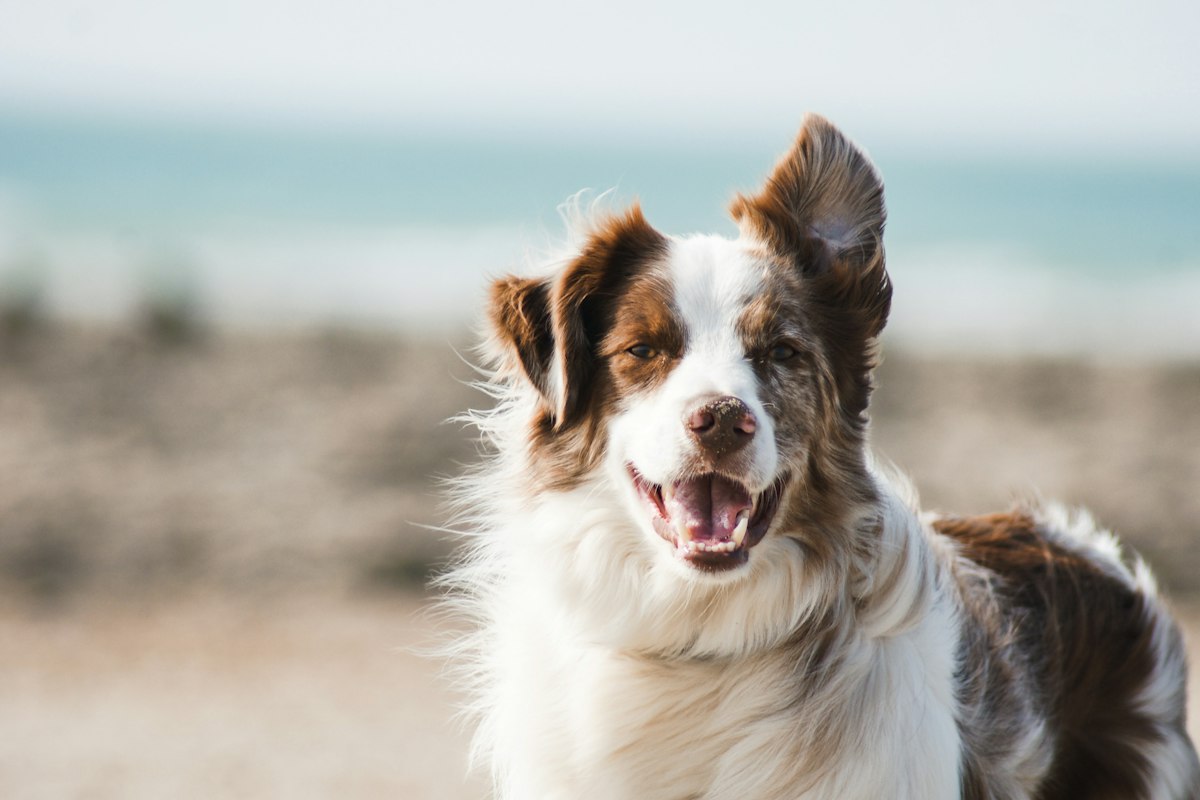
The right harness is non-negotiable for French Bulldogs. Photo: Unsplash
3. They feel the cold far more than you expect
Despite their tough-looking exterior, French Bulldogs are genuinely cold-sensitive. Their short coat provides minimal insulation, and their brachycephalic anatomy makes it harder for them to generate body heat through exercise. Below about 7°C, most Frenchies need a coat for outdoor walks — and they'll usually tell you by planting themselves firmly at the door and refusing to move.
A good waterproof, insulated coat makes a meaningful difference to a French Bulldog's comfort and willingness to exercise in winter. The key fit consideration for Frenchies is chest width — they have an unusually broad chest for their body length, so many standard medium-dog coats fit too narrowly. Our Dog Coats collection includes adjustable options that accommodate the Frenchie's distinctive proportions without restricting movement.
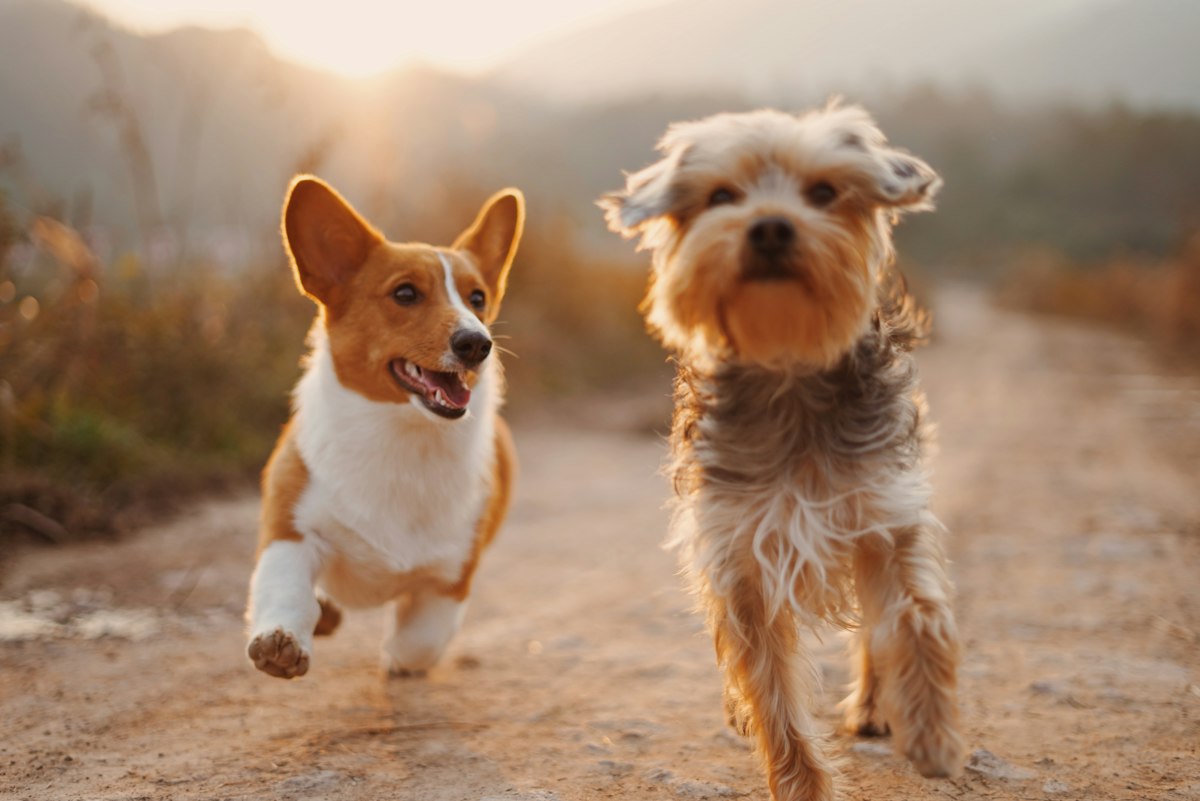
Cold UK winters require proper protection for short-coated breeds. Photo: Unsplash
4. Mental stimulation matters as much as physical exercise
French Bulldogs can't sustain the kind of physical exercise a Border Collie or Labrador can, which makes mental enrichment proportionally more important. A bored Frenchie is a destructive Frenchie — they're clever, curious, and more than capable of redecorating your sofa cushions if under-stimulated.
Puzzle feeders, snuffle mats, and short training sessions are ideal because they provide genuine mental exhaustion without cardiovascular demands. According to The Kennel Club, sessions of 5–10 minutes are particularly well suited to brachycephalic breeds who can become breathless with prolonged activity.
Our Dog Toys & Interactive Toys collection has enrichment options that work brilliantly for the breed. The best toys for French Bulldogs are:
- Treat-dispensing toys that reward slow, deliberate interaction
- Snuffle mats that engage scent instincts without physical exertion
- Tug toys for short, enthusiastic play bursts
- Durable rubber chew toys to satisfy their strong chewing instinct
- Puzzle boards with varying difficulty to keep things genuinely challenging

Puzzle toys and enrichment activities are essential for keeping Frenchies mentally satisfied. Photo: Unsplash
5. The wrinkles are charming but need actual maintenance
Those expressive facial folds are one of the most endearing things about French Bulldogs — they're also a genuine health responsibility. Skin folds trap moisture, dead skin cells, and debris, creating a warm environment where yeast and bacteria thrive. Without regular cleaning, fold dermatitis (a painful, itchy skin infection) is a common consequence.
Cleaning your Frenchie's facial folds two to three times a week with a damp cloth or specialist pet wipe — and thoroughly drying afterwards — prevents the vast majority of fold-related skin problems. The area under the tail and any other skin folds on the body need the same attention. Two minutes of maintenance beats a vet bill every time.
Frequently asked questions
Can French Bulldogs go on long walks?
French Bulldogs are not built for sustained long-distance walking. Two to three shorter walks of 15–20 minutes each is far healthier than one long walk, particularly in warm weather. Always watch for signs of breathlessness — excessive panting, slowing down, or stretching the neck upwards — and rest immediately if you see them.
What harness is best for a French Bulldog?
A Y-front or H-harness design that doesn't put pressure across the chest or throat is essential for French Bulldogs. Avoid step-in harnesses that sit across the front of the chest, as these can restrict breathing further. Measure your Frenchie's girth carefully — they have an unusually broad chest for their weight and often size up compared to other breeds of similar build.
Do French Bulldogs need a coat in winter?
Yes, most French Bulldogs genuinely benefit from a coat in temperatures below 7–8°C. Their short coat and brachycephalic anatomy means they lose body heat quickly and struggle to compensate through exercise. A waterproof, insulated coat that fits their broad chest properly makes a real difference to their comfort and willingness to walk through British winters.
About the author
Enrico Crispino — Dog lover and founder of Real Barks, a UK dog accessories brand partnering with Battersea Dogs Home and Work for Good. Real Barks is on a mission to change dogs' lives for the better.
🐾 Not sure which breed is right for you?
Take our free 2-minute quiz and find your perfect dog breed match.
Find Your Breed 🐾