

Essential Accessories for Pug Owners: What Every Pug Needs in 2026
Pugs are one of life’s great contradictions — a dog who looks permanently disgruntled but is almost always delighted, who snores like a freight train yet somehow remains endearing, and who has a face that defies aerodynamics yet moves with surprising determination. Owning a Pug is a specific joy, and getting the right accessories matters more for this breed than most. Real Barks breaks down exactly what your Pug needs to live their best life in 2026.
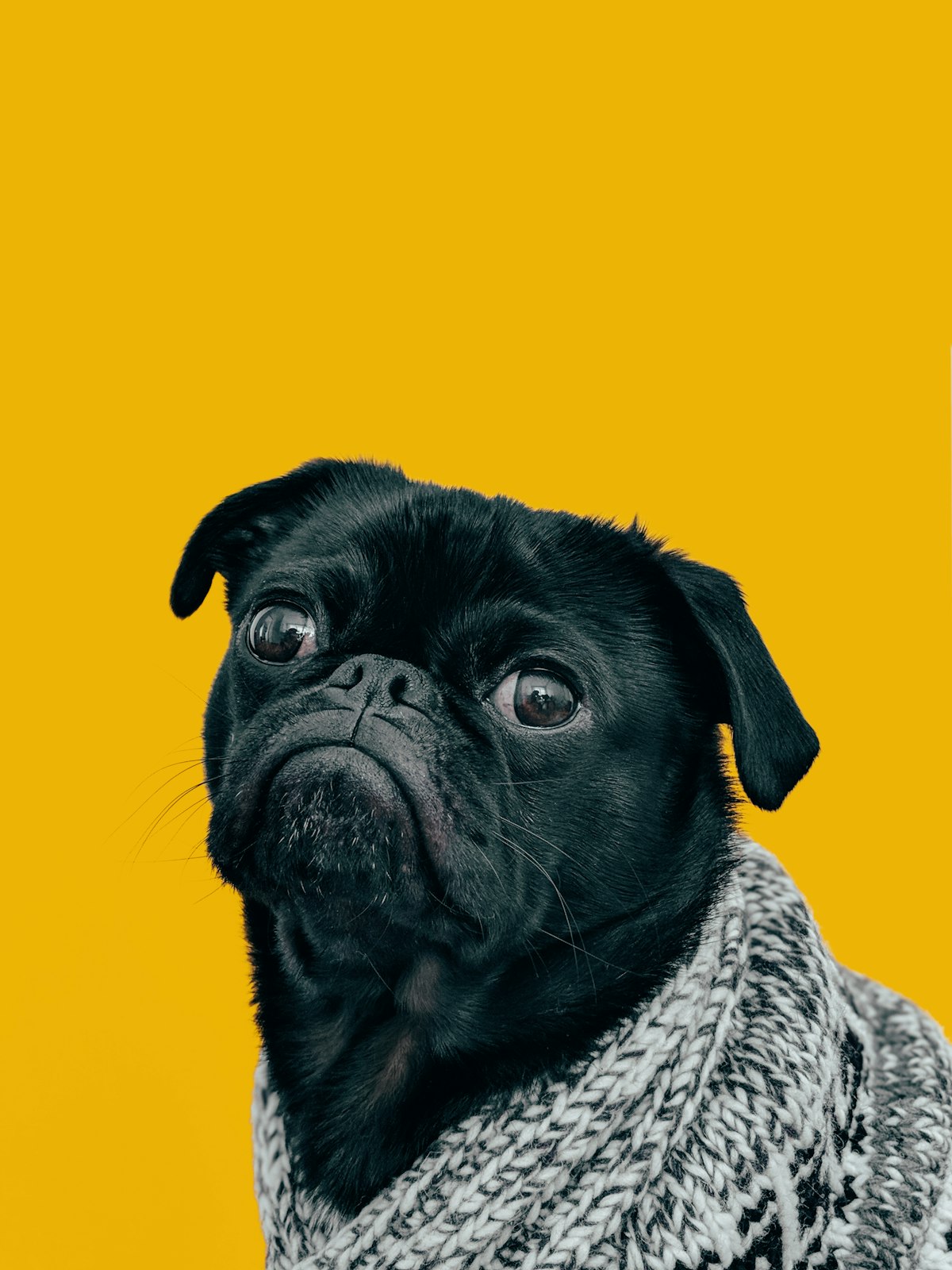
The Pug: maximum personality, specific care requirements. Photo: Unsplash
- Average weight: 6–8 kg
- Coat type: Short, fine, smooth — surprisingly heavy shedder for a small dog
- Energy level: Low-moderate — 30–40 minutes of gentle exercise daily
- Lifespan: 12–15 years
- Known for: Brachycephalic anatomy, outgoing personality, heavy snoring, and a love of human company that borders on obsessive
Why Pugs must never use a collar as their primary restraint
This is the single most important equipment decision you will make for a Pug. Like all brachycephalic breeds, Pugs have shortened airways and compromised breathing at baseline — any additional pressure on the neck or throat can escalate from discomfort to a genuine respiratory emergency very quickly. A collar that sits against the throat during a walk is not a safe option for this breed, full stop.
Every Pug needs a harness designed specifically to avoid chest and throat pressure. Look for a Y-front or H-style harness that sits behind the front legs rather than across the chest. Avoid step-in harnesses that pull across the front of the chest when the lead is clipped — these can create the same pressure problem as a collar for a dog already working hard to breathe. Our Dog Harnesses & Vests collection has options suited to the Pug’s compact, broad-chested frame.
“In brachycephalic breeds, the anatomical compromises to breathing are significant enough that any additional pressure on the airway — including from a collar — can cause serious harm during exercise. A properly fitted harness is not a lifestyle choice for these dogs; it is a medical necessity.”
A properly fitted harness is non-negotiable for Pug owners. Photo: Unsplash
Temperature management: the critical kit
Pugs are profoundly vulnerable to temperature extremes in both directions. In warm weather, their flat faces mean they cannot pant efficiently — panting is a dog’s primary cooling mechanism, and brachycephalic anatomy significantly compromises it. A Pug can overheat in conditions that would be comfortable for most other breeds. In cold weather, their fine single coat and low body mass mean they lose heat rapidly.
In summer, exercise must happen in the early morning or late evening — never during the heat of the day. Always carry water. Watch for signs of overheating: excessive panting, drooling, slowing down, or glazed eyes. The RSPCA identifies brachycephalic breeds as particularly high-risk for heatstroke and recommends avoiding outdoor exercise entirely on days above 20°C for these dogs.
In winter, a warm, well-fitted coat is genuinely important for Pugs rather than optional. Our Dog Coats collection includes insulated options for smaller breeds — the key fit consideration for Pugs is their broad, barrel chest, which means many standard small-dog coats sit too narrowly across the front.
Pugs need proper insulation in cold weather — their fine coat provides very little on its own. Photo: Unsplash
Enrichment toys for a dog who can’t over-exert
Because Pugs have genuine physical limitations around sustained exercise, mental enrichment becomes proportionally more important as a source of stimulation and satisfaction. A mentally engaged Pug is a settled, happy Pug — and the good news is that enrichment activities don’t need to be physically demanding to be deeply satisfying.
Puzzle feeders, lick mats, and snuffle mats are ideal for Pugs. They engage the brain, slow down eating (Pugs are enthusiastic and rapid feeders who benefit enormously from anything that extends mealtimes), and provide genuine mental tiredness. Our Dog Toys & Interactive Toys collection has options that work well for smaller breeds with moderate energy levels.
The best enrichment choices for Pugs are:
- Lick mats: Spread with peanut butter or wet food — calming, engaging, and can be frozen for longer occupation
- Slow feeder bowls: Extend mealtimes and reduce the risk of bloating from rapid eating
- Snuffle mats: Hide kibble in the fibres for a satisfying nose-work session
- Gentle puzzle toys: Treat-dispensing options rated for small breeds — avoid anything requiring sustained physical effort
- Short training sessions: Pugs are more trainable than their independent reputation suggests — 5-minute positive sessions are excellent enrichment

Mental enrichment is essential for Pugs who can’t rely heavily on physical exercise. Photo: Unsplash
Wrinkle care: the daily routine nobody tells you about
The Pug’s facial wrinkles are iconic — and they require consistent maintenance. The deep folds around the nose and face trap moisture, food debris, and skin cells, creating conditions where bacterial and yeast infections develop easily. Fold dermatitis is painful, itchy, and common in Pugs who don’t receive regular wrinkle care.
Cleaning the facial folds gently with a damp cloth or specialist pet wipe two to three times per week — and crucially, drying them thoroughly afterwards — prevents the vast majority of fold-related skin problems. The fold above the nose (the nose rope) is particularly prone to issues and benefits from daily attention. A simple routine takes under two minutes once you’re used to it.
Frequently asked questions
How much exercise does a Pug need daily?
Adult Pugs need around 30–40 minutes of gentle exercise daily, ideally split across two shorter walks. The key is keeping exercise moderate and avoiding anything that causes heavy panting — a Pug breathing hard is a Pug at risk of overheating. On hot days, reduce outdoor exercise significantly and replace it with gentle indoor enrichment activities instead.
Do Pugs shed a lot?
Yes — surprisingly so for a short-coated small dog. Pugs shed year-round, with heavier seasonal shedding in spring and autumn. Regular brushing (two to three times per week with a soft bristle brush or grooming mitt) reduces the amount of fur that ends up on your furniture and also helps distribute skin oils that keep the coat healthy. A lint roller becomes a permanent fixture in most Pug households.
Are Pugs good with children?
Pugs are generally excellent family dogs — they’re sociable, patient, playful, and genuinely enjoy human company. Their moderate energy level and robust temperament make them well suited to family life with children of various ages. The main consideration is their breathing — children should be taught not to over-excite or physically exert a Pug, and to recognise the signs that the dog needs to rest.
About the author
Enrico Crispino — Dog lover and founder of Real Barks, a UK dog accessories brand partnering with Battersea Dogs Home and Work for Good. Real Barks is on a mission to change dogs’ lives for the better.
🐾 Not sure which breed is right for you?
Take our free 2-minute quiz and find your perfect dog breed match.
Find Your Breed 🐾