

The Best Toys and Enrichment Activities for Dachshunds in 2026
Don’t let the short legs fool you — Dachshunds are tenacious, clever, and have more personality per kilogram than almost any other breed. Originally bred to hunt badgers underground, these little dogs carry the instincts of a determined working dog in a compact, somewhat impractical body. Getting their enrichment right is the difference between a settled, happy Dachshund and one who has taken it upon themselves to redecorate your skirting boards. Real Barks is here to help you get it right.
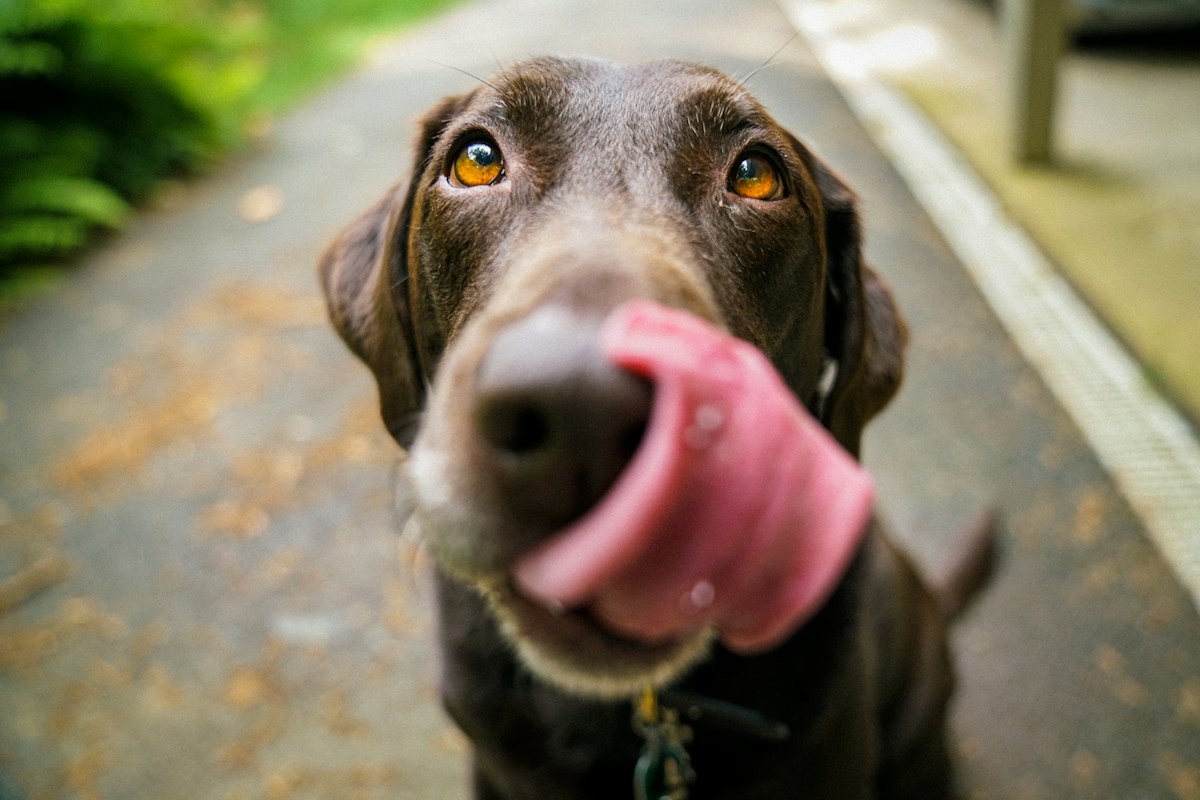
Dachshunds carry serious working dog instincts in a compact body. Photo: Unsplash
- Average weight: 3–5 kg (miniature) / 7–14 kg (standard)
- Coat type: Smooth, wire-haired, or long-haired — each with different grooming needs
- Energy level: Moderate-high — surprisingly energetic given their size
- Lifespan: 12–16 years
- Known for: Exceptional scenting ability, strong digging instinct, stubbornness, and fierce loyalty
Why enrichment matters so much for Dachshunds
Dachshunds were bred to hunt independently underground — tracking scent, making decisions without human guidance, and working with real determination in confined spaces. That independent, problem-solving mind is still very much present in today’s pet Dachshund. Without adequate mental stimulation, that intelligence gets redirected towards things you’d rather it didn’t — digging up the garden, barking persistently, or chewing through whatever is within reach.
Physical exercise alone isn’t enough for the Dachshund mind. A Dachshund who has been on a perfectly adequate walk but received no mental challenge is still a bored Dachshund. The Kennel Club recommends that scent work and problem-solving activities are incorporated into the daily routine of hound breeds — advice particularly relevant for Dachshunds.
“Dachshunds are often underestimated as working dogs. Their instincts are sharp, their nose is exceptional, and their need for mental engagement is significant. Owners who treat them as purely companion dogs often find themselves dealing with behavioural issues that are simply the result of an under-stimulated working breed.”
The best toys for Dachshunds
Toy selection for Dachshunds needs to account for their specific instincts — scenting, digging, and the satisfaction of “catching” something. Toys that simply sit there waiting to be chewed are far less engaging than toys that reward interaction and mimic the problem-solving of their working heritage.

Toys that reward interaction and problem-solving are far more satisfying for Dachshunds. Photo: Unsplash
Our Dog Toys & Interactive Toys collection includes options well suited to small-to-medium breeds with high intelligence and strong working instincts. The best categories of toys for Dachshunds are:
- Snuffle mats: Tap directly into scenting instinct — hiding kibble or treats in a snuffle mat can occupy a Dachshund for 15–20 minutes and genuinely tire them out mentally
- Treat-dispensing puzzle toys: Require problem-solving to release treats — excellent for slowing down fast eaters and providing mental challenge
- Tug toys: Satisfy the prey-drive and the “catching” instinct — short tug sessions are excellent exercise for a breed that shouldn’t do high-impact jumping
- Squeaky toys: The squeak mimics prey sounds and is deeply satisfying for a hunting breed — particularly wire-haired Dachshunds
- Digging boxes: A designated box of sand or soil where treats are buried gives Dachshunds a sanctioned outlet for their digging instinct
Scent work: the perfect Dachshund activity
If there is one enrichment activity that Dachshunds are practically purpose-built for, it is scent work. Their nose is one of the most sensitive of any domestic breed — a Dachshund’s scenting ability is estimated to be thousands of times more acute than a human’s. Giving them structured opportunities to use it is one of the most effective and satisfying forms of enrichment you can provide.
Start simple: hide a treat under one of three cups and let your Dachshund find it. Progress to hiding treats around a room, then throughout the house, then in the garden. Formal nose work classes — where dogs are trained to find specific scents — are increasingly available across the UK and are an excellent structured activity for the breed.
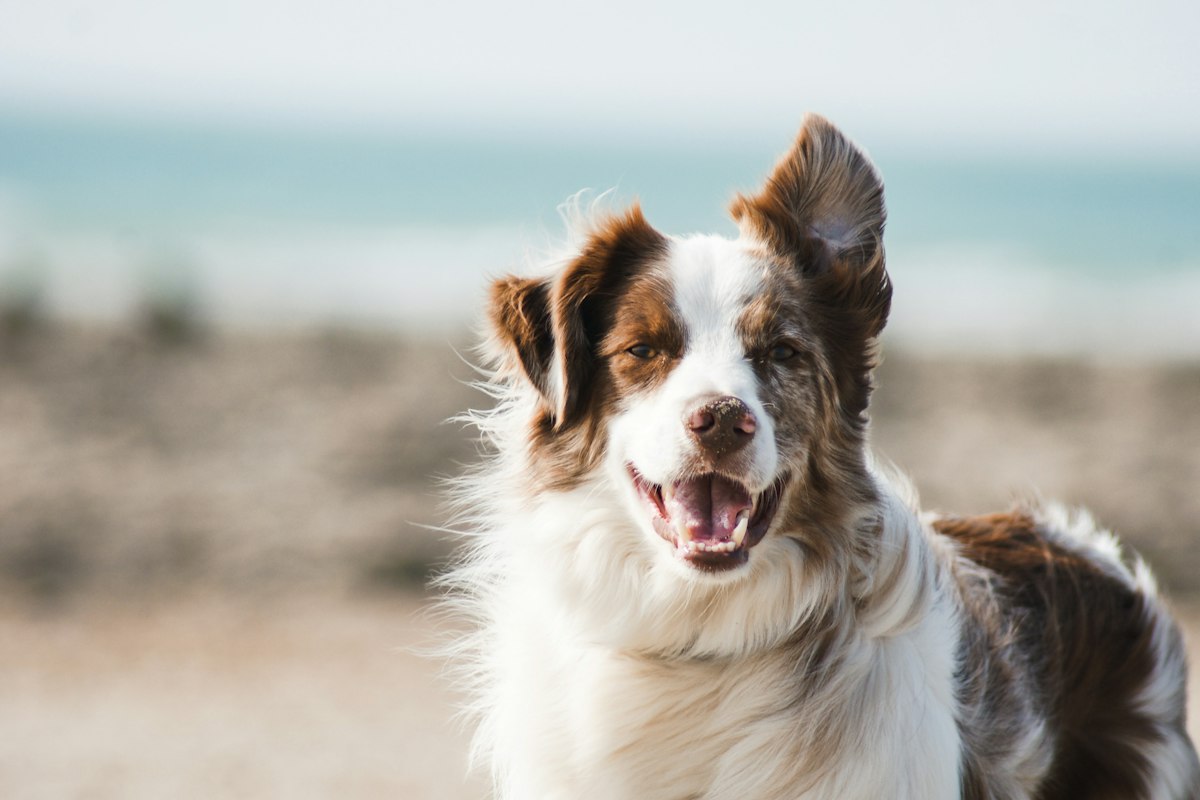
Allowing Dachshunds to sniff freely on walks is itself a powerful form of enrichment. Photo: Unsplash
Even on regular walks, allowing your Dachshund to sniff freely — rather than constantly moving forward — is recognised by animal behaviourists as a significant source of mental enrichment. A 20-minute “sniff walk” where your Dachshund leads and investigates whatever interests them is often more satisfying than a brisk 40-minute walk where sniffing is constantly interrupted.
What to avoid with Dachshunds
Two things to keep firmly in mind when choosing toys and activities for Dachshunds. First, avoid anything that involves repeated jumping — on and off furniture, in and out of cars, over obstacles. Dachshunds are genetically predisposed to Intervertebral Disc Disease (IVDD), a painful and potentially paralysing spinal condition. High-impact activities that put stress on their long spine significantly increase risk. The RSPCA advises that ramps rather than stairs and avoiding jumping should be standard practice for all Dachshund owners.
Second, avoid toys that are too small. While Dachshunds are small dogs, they are determined chewers — a toy sized for a small dog can be chewed into pieces that become choking hazards. Choose toys rated for medium breeds rather than small ones for a more durable, safer option.
A checklist for Dachshund-safe toy selection:
- Size rated for medium breeds — more durable and safer than small-dog toys
- No small detachable parts that can be chewed off and swallowed
- No activities requiring repeated jumping or high-impact movement
- Rubber toys rated for moderate-strong chewers
- Regularly inspect toys for damage and replace worn items promptly
Keeping your Dachshund comfortable outdoors
Dachshunds are low to the ground, which makes them particularly susceptible to cold and wet weather — their belly is essentially skimming the ground through every puddle and muddy path. A well-fitted waterproof coat makes a significant difference to their comfort on British winter walks, and the right fit for a Dachshund means accounting for their unusually long body and short legs. Our Dog Coats collection includes options suited to long-bodied breeds.
Frequently asked questions
How much exercise does a Dachshund need daily?
Adult Dachshunds need around 30–60 minutes of exercise per day, split across two walks. The important caveat is that exercise should be moderate — avoid long runs, repeated jumping, or activities that put strain on their spine. Mental enrichment through scent work and puzzle toys should complement physical exercise, not be treated as an afterthought.
Are Dachshunds easy to train?
Dachshunds are intelligent but famously independent — they were bred to make decisions without human input, which means they don’t have the same people-pleasing drive as a Labrador or Golden Retriever. Training works best with high-value food rewards, very short sessions (5 minutes maximum), and a patient, consistent approach. Punishment-based training is particularly counterproductive with the breed and typically increases stubbornness rather than reducing it.
What is IVDD and how do I protect my Dachshund from it?
Intervertebral Disc Disease (IVDD) is a spinal condition that affects a very high proportion of Dachshunds due to their long backs and short legs. It ranges from mild pain to full paralysis in severe cases. Prevention involves avoiding activities that put strain on the spine — particularly jumping — using ramps instead of stairs where possible, keeping your Dachshund at a healthy weight, and being alert to early signs such as reluctance to move, crying when touched, or changes in gait.
About the author
Enrico Crispino — Dog lover and founder of Real Barks, a UK dog accessories brand partnering with Battersea Dogs Home and Work for Good. Real Barks is on a mission to change dogs’ lives for the better.
🐾 Not sure which breed is right for you?
Take our free 2-minute quiz and find your perfect dog breed match.
Find Your Breed 🐾