

5 Things Only German Shepherd Owners Truly Understand in 2026
Owning a German Shepherd is unlike owning any other dog. It's an experience that combines fierce loyalty, breathtaking intelligence, approximately one million hairs on every surface you own, and an emotional depth that will genuinely surprise you. If you share your life with a GSD, this one's for you — five things that only German Shepherd owners will truly, completely understand.
1. The Fur That Goes Absolutely Everywhere
Let's start with the most universal German Shepherd owner experience: the fur. You will find it in your food, your drinks, your laundry, your shoes, and places you cannot explain. You will wear it to job interviews. You will find it in a sealed Tupperware container in the back of a cupboard. You will find it on clothes you haven't worn since before you got the dog. Scientists studying the German Shepherd coat have reportedly described it as "impossible" and given up.
German Shepherds have a double coat — a dense, soft undercoat beneath a longer, coarser topcoat. This combination is magnificent insulation and weather protection for your dog, and a perpetual interior decorating challenge for your home. Twice a year, during the seasonal coat blows in spring and autumn, the shedding escalates to a level that has to be experienced to be believed. You will be hoovering daily. You will find tumbleweeds of fur rolling across your kitchen floor. You will accept all of this with grace, because you love them.
Managing the Shed: Grooming Tips That Actually Help
The single most effective thing you can do is brush regularly — at least two to three times per week year-round, and daily during coat blows. An undercoat rake and a quality slicker brush are your best weapons. They reach through the topcoat to pull out the loose undercoat before it ends up on your sofa. A good deshedding shampoo used at bath time can also help loosen dead coat en masse. And invest in a good hoover with a pet hair attachment — consider it part of the cost of the privilege of sharing your life with a German Shepherd.
2. The Dramatic Sighing and Side-Eye
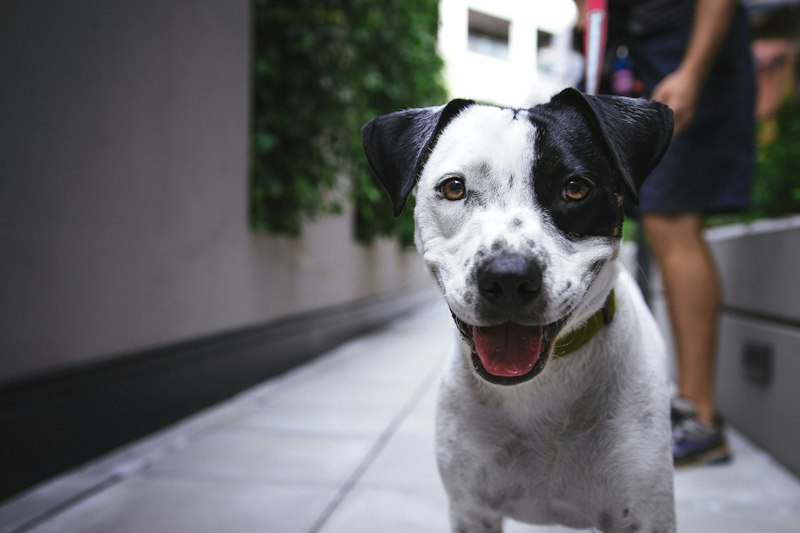
German Shepherds have feelings, and they want you to know about them. If you've done something they disapprove of — ended a walk too early, failed to share your dinner, had the audacity to pay attention to another dog — you will receive a sigh of such theatrical depth that it could win awards at a drama festival. This will be accompanied by the side-eye: a slow, sideways glance of pure betrayal that communicates volumes without a single word.
GSD owners quickly learn to read their dog's emotional vocabulary with remarkable fluency. The dramatic flop onto the floor when you tell them it's not walk time yet. The pointed stare at the lead hook when they've decided it IS walk time, regardless of your opinion. The way they position themselves with their back to you when they're mildly displeased, as if to say: I am here, but I am not happy about the current situation.
Understanding GSD Emotional Intelligence
This emotional expressiveness isn't just entertaining — it's a reflection of the breed's exceptional sensitivity and intelligence. German Shepherds are highly attuned to human emotion and social dynamics. The American Kennel Club describes GSDs as "highly intelligent" and "versatile," and part of that intelligence is a rich emotional life that makes them genuinely responsive companions. Learning to read your GSD's communication strengthens your bond and helps you meet their needs more accurately.
3. The Velcro Loyalty
German Shepherds pick their person — or more accurately, their people — and they commit with an intensity that is both deeply touching and occasionally a logistical challenge. They will follow you from room to room. They will position themselves so they can see you from wherever they're resting. They will notice the difference between you picking up your phone and picking up your keys, and react accordingly. They know your routines better than you do.
This loyalty is one of the things GSD owners most treasure about the breed. There is something extraordinary about being the chosen person of an animal this capable and this discerning. But it does mean that German Shepherds can develop significant separation anxiety if their attachment isn't managed thoughtfully.
Building Independence and Managing Separation Anxiety
The key is to build independence gradually and from an early age. Practice short absences, reward calm behaviour when you're both in the same room, and avoid inadvertently reinforcing anxious behaviour by fussing excessively before leaving or when returning. Provide enrichment — a stuffed Kong, a safe chew, a puzzle feeder — before you go, so your GSD has something positive to focus on. If your dog shows significant distress, a qualified behaviourist can help you put a structured programme in place. For gear tailored to GSD needs, our Essential Accessories Every German Shepherd Owner Needs guide covers everything from enrichment toys to comfortable crates that help dogs feel secure.
4. The "Suspicious of Everyone" Mode
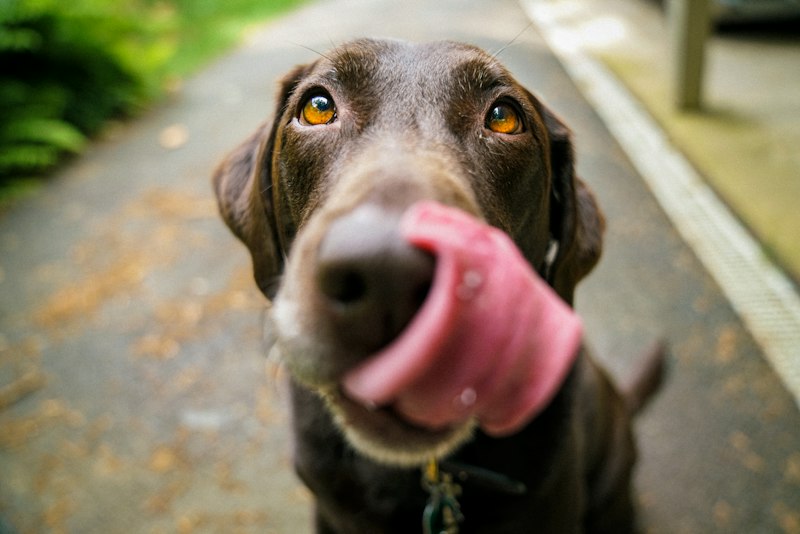
Your German Shepherd loves you with their whole heart. They are warm, gentle, and deeply affectionate with their family. They are, however, cautiously reserved about everyone else — at least until they've made their own assessment. The delivery driver, your neighbour, your best friend who has visited fourteen times: all will be treated to a measured appraisal before being grudgingly accepted into the inner circle. Or not. Your GSD reserves the right to remain unimpressed.
This is not aggression. This is the natural wariness of a breed developed as a guardian and protector. Dogs Trust explains that proper socialisation from puppyhood is crucial for developing a dog who is confident and well-adjusted rather than anxious or reactive. A well-socialised GSD can be appropriately cautious without being fearful or problematic.
Socialisation: Getting It Right from the Start
The socialisation window for puppies runs roughly from three to fourteen weeks of age — this is the critical period when positive exposure to a wide variety of people, animals, environments, and experiences shapes how your dog will respond to the world for the rest of their life. For German Shepherds, this investment pays enormous dividends. Puppy classes, controlled introductions to different types of people, exposure to traffic, different surfaces, and novel environments all build the confidence that helps a GSD navigate the world calmly. If you've adopted an older GSD, it's never too late to work on socialisation — it just requires more patience and a qualified trainer's guidance.
5. The Working Dog Brain That Never Stops
German Shepherds were bred to work. Not for a couple of hours while their human potter about — all day, every day, solving problems, following complex instructions, and applying intense focus to whatever task is in front of them. That brain doesn't switch off just because your GSD is now a pet rather than a working dog. It's still there, still active, still looking for something to do. And if you don't give it something to do, it will find its own projects — and you may find the results in your garden, your furniture, or your relationship with your neighbours.
An under-stimulated German Shepherd is genuinely one of the more challenging situations in dog ownership. These dogs have the intelligence, the energy, and the physical capability to make their boredom felt in significant ways. The good news is that meeting their mental needs isn't complicated — it just requires consistency and the right tools.
Mental Stimulation: What Works for a High-Drive Dog
Daily training sessions — even just ten to fifteen minutes — are among the most valuable things you can do for a German Shepherd. Teaching new commands, working on advanced obedience, or practising a dog sport like agility or scent work gives your GSD the kind of focused mental challenge they thrive on. Puzzle feeders and Kongs extend mealtimes into problem-solving sessions. Nose work games — hiding treats around the house or garden — tap directly into the breed's tracking heritage and are extraordinarily tiring in the best possible way.
For a full breakdown of the toys and equipment that work best for German Shepherds, see our guide to 4 Things Only German Shepherd Owners Truly Understand and browse Real Barks dog harnesses for walk gear built to handle the GSD's power and energy.
Conclusion: The Most Extraordinary Bond You'll Ever Have
German Shepherds are not the easiest dog to own. They shed more than seems physically possible. They have opinions about everything. They require consistent training, daily mental stimulation, significant amounts of exercise, and a level of engagement that less demanding breeds simply don't need. They will follow you to the bathroom. They will judge your friends. They will occasionally perform theatre-level sighing in the middle of the living room for reasons only they understand.
And in return, they will offer you a loyalty that is complete, a bond that is unlike anything else in the world of dog ownership, and a relationship that will genuinely make you a better, more attentive, more patient person. German Shepherd owners don't just have a dog — they have a partner, a shadow, a protector, and a daily reminder of what it means to be truly, unconditionally chosen.
Worth every single hair on the sofa. Every single time.
Written by the Real Barks Team
Real Barks is a UK-based dog accessories brand dedicated to helping dog owners find the best gear for their companions. We donate 10% of every sale to Battersea Dogs & Cats Home through our partnership with Work for Good. Every article is written by dog lovers, for dog lovers.
🐾 Not sure which breed is right for you?
Take our free 2-minute quiz and find your perfect dog breed match.
Find Your Breed 🐾