

4 Things Only German Shepherd Owners Truly Understand in 2026
German Shepherds are one of the most capable, loyal, and misunderstood breeds in the UK. They’re the dog of choice for police forces, search and rescue teams, and assistance work — and yet as family pets, they’re often underestimated in terms of what they actually need to thrive. At Real Barks, we’ve spoken to hundreds of GSD owners and distilled the most important things that only those who live with one truly understand.
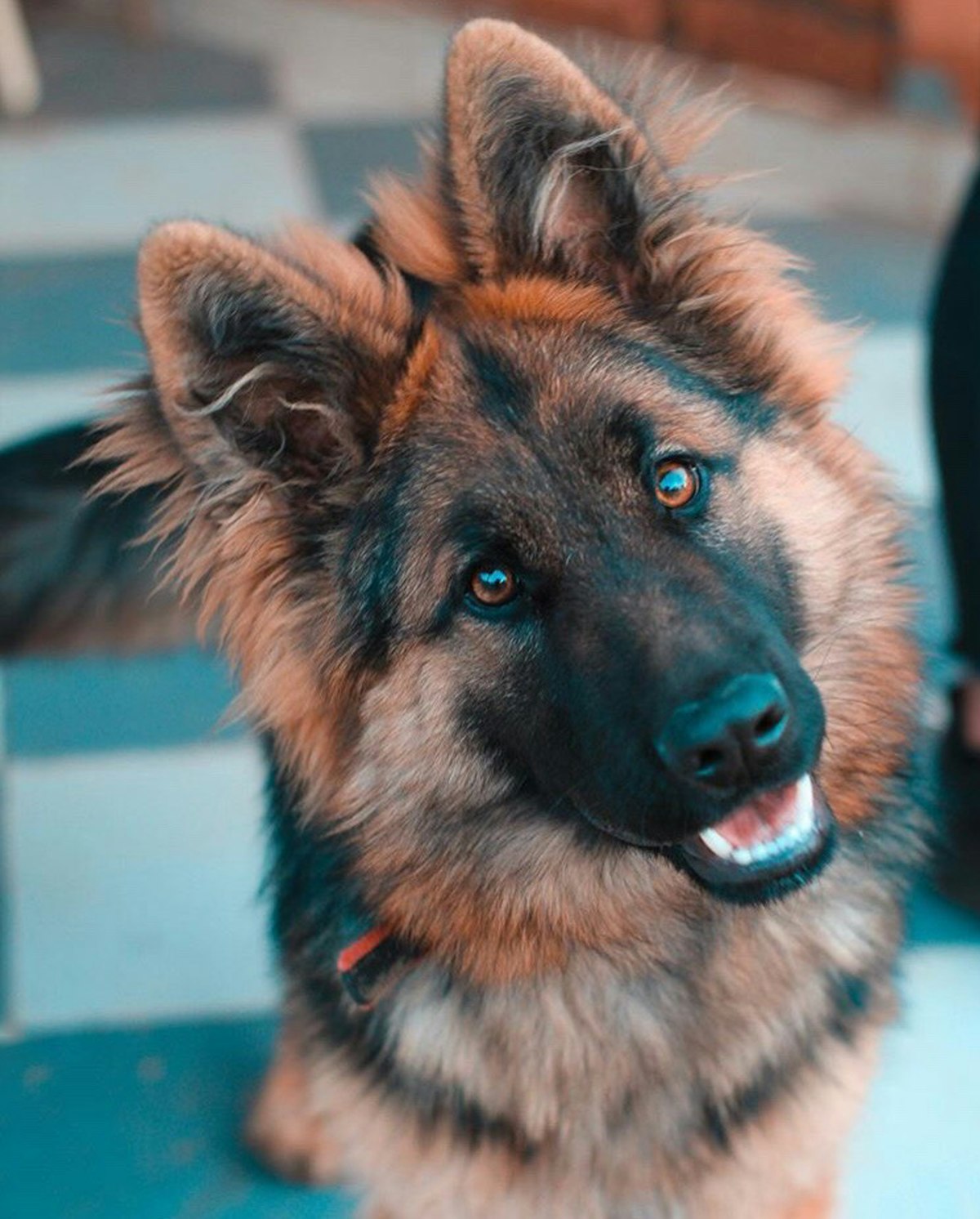
The German Shepherd: one of the most intelligent and capable breeds in the world. Photo: Unsplash
- Average weight: 22–40 kg (dogs significantly larger than bitches)
- Coat type: Double coat, medium length — sheds heavily year-round with two major seasonal blowouts
- Energy level: Very high — 2+ hours of exercise daily, with mental work essential
- Lifespan: 9–13 years
- Known for: Intelligence, loyalty, protective instinct, and a deep need for purpose and structure
1. They need a job — not just a walk
German Shepherds were bred to work all day alongside humans — herding, guarding, tracking, and problem-solving. A breed with that heritage cannot be satisfied by a daily walk alone, however long. Without a sense of purpose and structured mental challenge, GSDs become anxious, frustrated, and frequently destructive. This is not a character flaw in the dog; it’s a mismatch between what the breed needs and what they’re being given.
“Jobs” for a German Shepherd don’t have to mean formal working roles. Training sessions, scent work, agility, fetch with obedience tasks built in, and even carrying a dog backpack on hikes (which gives them a sense of purpose) all count. The key is regular, structured activity that engages their intelligence, not just their legs.
According to The Kennel Club, German Shepherds are consistently ranked among the top five most intelligent dog breeds in the world. That intelligence is a gift when channelled correctly — and a serious problem when it isn’t.
2. The shedding is genuinely relentless
No amount of reading about German Shepherd shedding fully prepares you for the reality of living with one. GSDs shed throughout the year, with two major “coat blowout” seasons in spring and autumn where the volume of fur produced is truly remarkable. German Shepherd owners don’t own black clothing. They learn this quickly.
Managing GSD shedding requires a consistent grooming routine: brushing at least three times a week with a deshedding tool during normal periods, and daily brushing during blowout seasons. Beyond fur management, regular brushing distributes natural skin oils, removes dead coat that can cause skin irritation, and gives you the opportunity to check for lumps, ticks, or skin issues.
“German Shepherds are working dogs through and through, and their coat reflects that — it’s designed for all-weather performance, not low maintenance. Owners who commit to regular grooming find it becomes a bonding ritual as much as a chore.”
3. Equipment needs to be built for a powerful dog
A German Shepherd is a large, powerful dog with a strong prey drive and the athletic ability to act on it very quickly. Standard equipment that works perfectly well for a Labrador or Spaniel may simply not be adequate for a GSD — clip mechanisms that feel solid on a 15 kg dog can give way under the force of a 35 kg German Shepherd lunging after a squirrel.
For harnesses, look specifically for options rated for large breeds with reinforced stitching and metal (not plastic) clip mechanisms. A front-clip harness is particularly useful during the training phase to manage pulling, while a back-clip harness is better for exercised, well-trained adults on longer outings. Our Dog Harnesses & Vests collection includes heavy-duty options appropriate for powerful breeds.
Equipment for German Shepherds must be rated for a powerful, athletic dog. Photo: Unsplash
Interactive and enrichment toys also need to be built for a strong chewer. Many standard dog toys are destroyed within minutes by a motivated GSD. Look for toys made from thick, natural rubber — our Dog Toys & Interactive Toys collection has durable options that stand up to serious play.
4. They bond deeply — and feel your absence acutely
German Shepherds are often described as “velcro dogs” — they attach deeply to their primary owner and family and want to be wherever you are, doing whatever you’re doing. This loyalty is one of the most rewarding things about the breed, but it comes with a significant responsibility: German Shepherds do not cope well with being left alone for long periods.
Separation-related behaviours in German Shepherds can be intense — barking, destructive behaviour, and self-directed anxiety responses. The RSPCA recommends that dogs are not left alone for more than four hours at a time, and for German Shepherds in particular, a structured routine with predictable alone-time that has been built up gradually is essential from puppyhood.
Mental enrichment toys left during alone time — puzzle feeders, durable chew toys, frozen treat toys — help occupy a GSD’s active mind when you’re not there. Our Dog Toys & Interactive Toys collection includes options specifically suited to keeping clever, high-drive breeds occupied.
- Build alone time gradually from puppyhood — start with minutes, not hours
- Provide a long-lasting chew or frozen treat toy before leaving
- Keep departures and arrivals calm to avoid spiking anxiety
- Consider a dog camera to monitor behaviour during the day
- Consult a qualified behaviourist if separation anxiety is severe
Frequently asked questions
Are German Shepherds good family dogs?
German Shepherds can be excellent family dogs when properly socialised from puppyhood and given the exercise, training, and mental stimulation they need. They are loyal, protective, and gentle with children they’ve been raised with. However, their size, strength, and protective instincts mean they are not a breed for inexperienced owners — consistent, confident handling from day one is essential.
How much exercise does a German Shepherd need daily?
Adult German Shepherds need a minimum of two hours of exercise per day, including both physical activity and structured mental work such as training sessions or scent games. Exercise alone is insufficient — a GSD who runs for two hours but receives no mental stimulation will still exhibit frustrated or anxious behaviours at home.
Do German Shepherds need a special diet?
German Shepherds don’t require a breed-specific diet, but they do benefit from high-quality food appropriate for large, active breeds. GSDs are prone to bloat (gastric dilatation volvulus), so feeding two smaller meals per day rather than one large one is recommended. They can also be prone to digestive sensitivity — if your GSD has recurring digestive issues, consult your vet about a more easily digestible food formulation.
About the author
Enrico Crispino — Dog lover and founder of Real Barks, a UK dog accessories brand partnering with Battersea Dogs Home and Work for Good. Real Barks is on a mission to change dogs’ lives for the better.
🐾 Not sure which breed is right for you?
Take our free 2-minute quiz and find your perfect dog breed match.
Find Your Breed 🐾